Posts

Showing posts with the label bestdentalcollege

CORONAVIRUS AND DENTISTRY
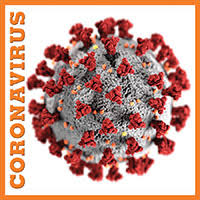
Image
WHAT IS CORONAVIRUS? Coronaviruses (CoV) are a large family of viruses that cause illness ranging from the common cold to more severe diseases such as Middle East Respiratory Syndrome (MERS-CoV) and Severe Acute Respiratory Syndrome (SARS-CoV). Coronavirus disease (COVID-19)  is a new strain that was discovered in 2019 and has not been previously identified in humans. The new virus is dangerous - so far, around 20 per cent of confirmed cases have been classed as severe or critical. So far, around 15 to 20 per cent of hospital cases have been classed as "severe" and the current death rate varies between 0.7 per cent and 3.4 per cent depending on the location and, crucially, access to good hospital care. This is much lower than fatality rates for Mers (30 per cent) and Sars (10 per cent), but still a significant threat. HOW DOES IT SPREAD? Like cold and flu bugs, the virus is spread via droplets when a person coughs or sneezes. The droplets land on s...

DENTAL CARIES

Image
DENTAL CARIES WHAT IS DENTAL CARIES? Dental caries is an infectious microbiological disease that affects both soft and hard tissue of the teeth. It leads to the formation of small holes in the teeth and makes it week and prone to infections CAUSATIVE FACTORS There are 4 main things that may lead to caries Microorganisms: The presence of certain bacteria in the mouth leads to caries. Different microorganisms are responsible for the initiation and propogation of caries. Substrate: Carbohydrates. Foods rich in carbohydrates eg sugars are acted upon by the bacteria and acids such as lactic acid are released. This acid causes the demineralization of teeth. Host: The individuals teeth, whether they are crowded or not, type and flow of saliva, etc Time: till which all factors are in contact. SYMPTOMS Begins as the presence of discolouration on the tooth surface. If left unchecked it may lead to formation of holes on the teeth (cavitation) Sensitivi...

INFANT ORAL HEALTH CARE

Image
‘A baby’s smile is a bit of sunlight wrapped in your arms’ and it is the job of pediatric dentists to protect this beautiful smile. It is imperative that care givers and parents work together with Pedodontists to ensure proper oral hygiene for the infant. Here are a few tips to ensure your child’s oral hygiene: 1. Early visit to a pediatric dentist: The American Association of Pediatric Dentistry advises that every infant should receive an oral health risk assessment from his/her primary health care provider or qualified health care professional when the child’s first tooth erupts, around 6 months of age or latest by the child’s first birthday. This initial assessment helps to -Evaluate the patient’s risk of developing oral diseases of soft and hard   tissues. -Evaluate the risk of developing cavities -Provide education on infant oral health -Evaluate and optimize fluoride exposure 2.Establishment of a dental home: A dental home is the conce...

SINGLE - SITTING ROOT CANAL TREATMENT

Image
SINGLE - SITTING ROOT CANAL TREATMENT WHAT IS SINGLE - SITTING ROOT CANAL TREATMENT? Single sitting RCT is completed in one appointment only using advanced endodontic technology . WHEN IS SINGLE - SITTING ROOT CANAL TREATMENT ADVISED?   Cases which do not involve excessive pain swelling or infection BENEFITS OF SINGLE - SITTING ROOT CANAL TREATMENT ·          Completed in just one visit ·          Less time consuming ·          Minimum bacterial contamination ·          Higher patient convenience

Dental Implants at I.T.S Dental College,Greater Noida

Image
How Do Dental Implants Work? Dental implants are unlike any other restoration. Other prosthetics attach to neighboring teeth or the surface of your gums. While many people’s oral needs are served by dental bridges and dentures, the prosthetics never fully replace the feeling and function of natural teeth. Only restoration that functions like a natural tooth are dental implants. The key to the stability of this tooth-replacement option is the titanium post that is placed in your jawbone near the location of your missing tooth root. The implant replaces the tooth root. This restorative treatment gives many health benefits. Roots of tooth promote bone growth and help prevent jawbone atrophy. If you have one or more missing teeth and have not sought dental implants, you are in danger of losing precious jawbone density. Over time, the loss of jawbone tissue can complicate your candidacy for receiving dental implants. If you recently lost a tooth or are about to undergo ...